Remote operations support for kitchen remodelers. So your jobs do not depend on your inbox.
Contramarco is the remote operations department for residential kitchen remodelers billing USD 500K–10M. We work inside Buildertrend, Houzz Pro, Jobber, or JobTread so estimates, schedules, deposits, and client follow-up stay connected.
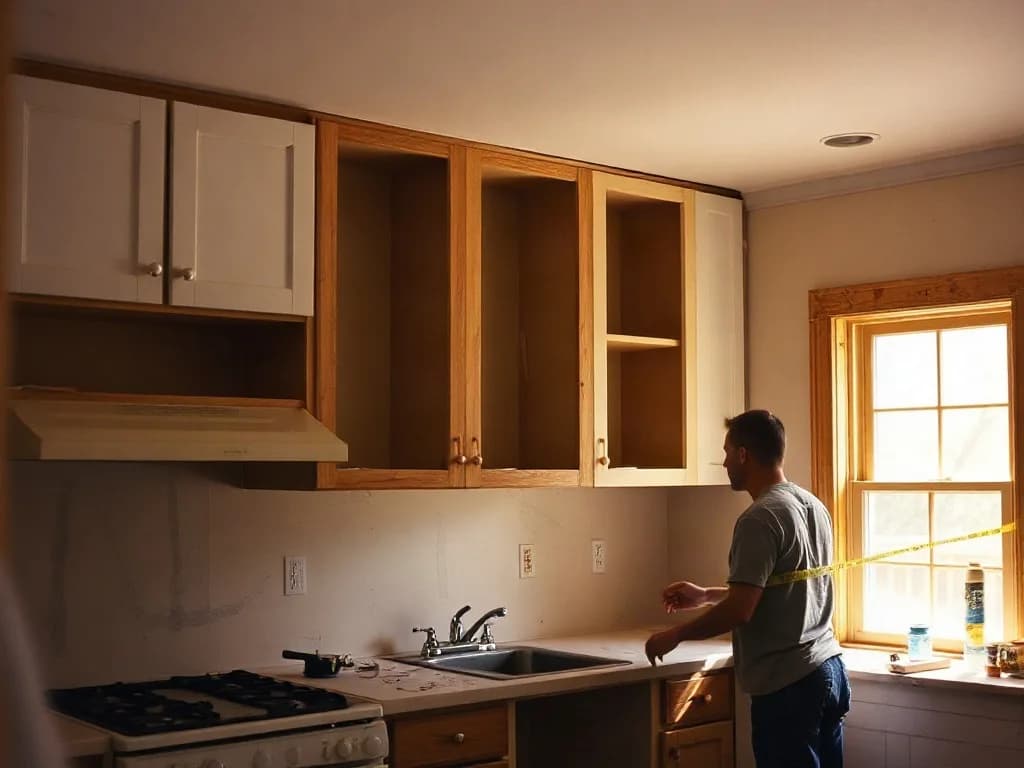
The operating brief
Keep the craft, the customer relationship, and the final decisions. Hand off the repeatable office motion.
A good fit if
Your company is growing faster than your office rhythm.
The kitchen operation
The work is not mysterious. It is just constant.
A kitchen remodel has more handoffs than a simple service call. We give those handoffs an owner, a cadence, and a place to be seen.
See how the 14-day ramp works01
Estimates wait for the owner.
New inquiries arrive while the person selling the job is also measuring rooms, checking cabinet takeoffs, and answering the field team. The backlog is operational, not a demand problem.
02
Every trade has a different clock.
Plumber, electrician, cabinet installer, and stone fabricator all affect the same kitchen schedule. Someone has to keep the handoffs visible before one delay becomes the customer’s delay.
03
Milestone payments go quiet.
Demo, cabinets, countertop, and final delivery each create a follow-up moment. When that status lives in memory or scattered messages, cash collection competes with production.
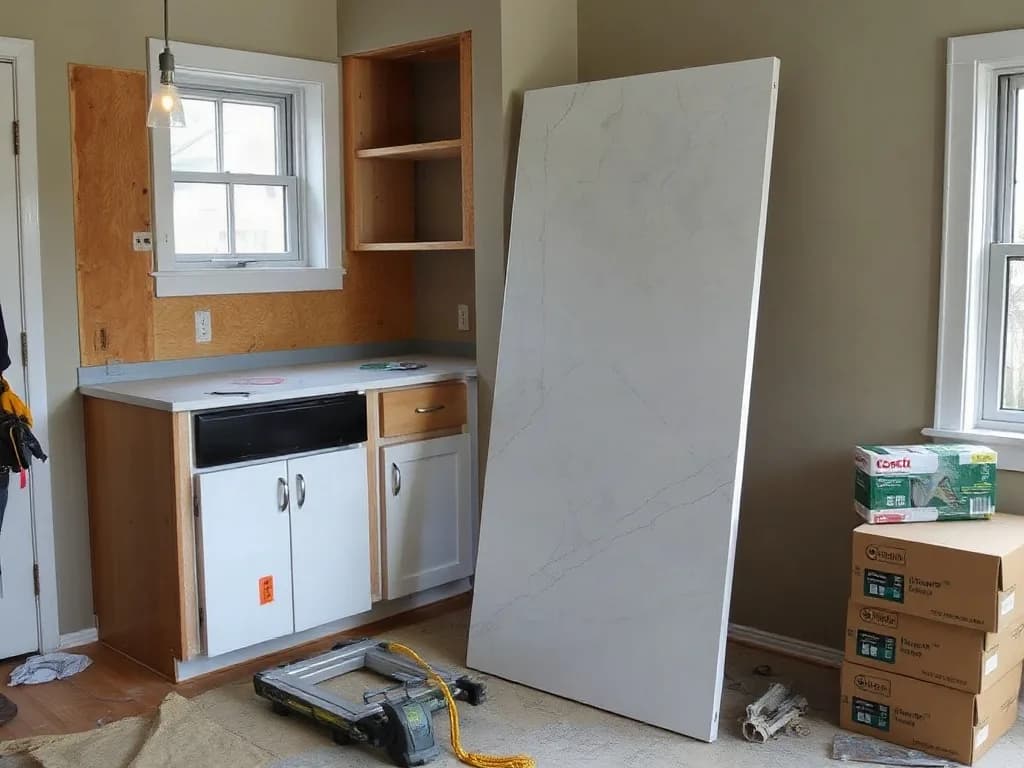
One shared operating picture keeps the job moving without making the owner the routing layer.
How the department works
We own the motion. You keep the judgment.
01
Map the operation
We learn your templates, margin rules, approval thresholds, job stages, and communication style before taking recurring work.
02
Build the handoffs
We turn estimating, trade coordination, change orders, and milestone follow-up into visible repeatable steps.
03
Run the cadence
The team keeps the software current, flags exceptions, and brings the owner decisions instead of another list of tasks.
04
Report what matters
You see the active portfolio, blocked trades, outstanding deposits, and next actions in a consistent operating rhythm.
What we own
- Recurring estimates and takeoff follow-up
- Trade scheduling and handoff tracking
- Change orders, deposits, and CRM upkeep
- Weekly exceptions and next-action reporting
What you keep
- Your brand and client relationship
- Your margins, approvals, and scope decisions
- Your subcontractor relationships
- Your judgment on the jobs that need you
Fits your current stack
No platform migration. No second source of truth.
The best system is the one your team will keep current. We learn the tools already carrying your jobs and make the operational follow-through visible there.
Cabinet takeoffs, room-level milestones, selections, and trade handoffs.
Inquiry pipeline, measurement calendar, proposals, and client follow-up.
Quote workflows, technical-visit reminders, scheduling, and payments.
Budgets, change orders, cost tracking, and per-job reporting.
Clear operating boundaries
Choose the cadence your current portfolio can support.
A focused first layer
- Professional estimates and takeoff support
- Trade coordination and schedule maintenance
- Invoicing and milestone deposit tracking
- CRM updates and end-client follow-up
Best when you need recurring support before a dedicated coordinator.
A higher operating cadence
- Estimates twice a week
- Subcontractor coordination across the portfolio
- Change-order processing and milestone follow-up
- Weekly per-job status reporting
- CRM and active-portfolio maintenance
Best when the office needs a consistent weekly operating rhythm.

The goal is not more activity. It is more visibility around the activity that matters.
Illustrative operating model
What capacity can look like when the office stops living in your head.
Illustrative model for a USD 2M kitchen remodeling company with four to six active jobs. It is a planning example, not a promised result or a client testimonial.
Modeled owner and project-manager capacity returned to estimating, decisions, and the jobsite.
- 22 h
- Estimating and takeoff follow-up
- 34 h
- Trade coordination and schedule handoffs
- 22 h
- Deposit, change-order, and reporting follow-up
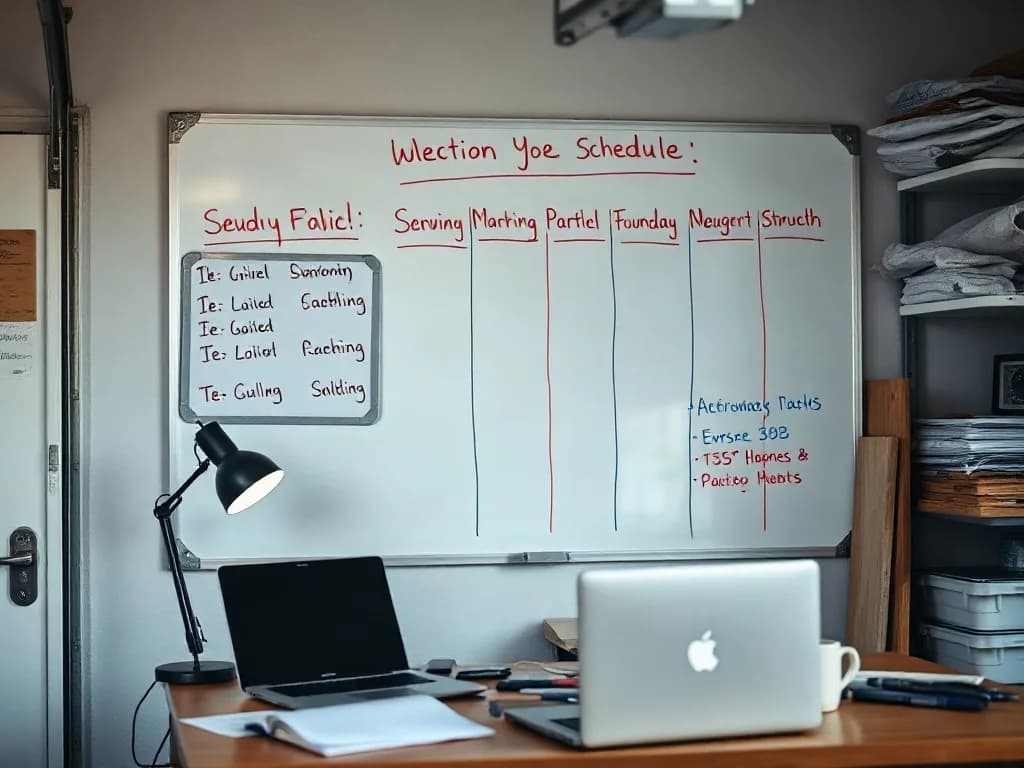
Illustrative kitchen case
Four trades. One operating picture.
An anonymized, illustrative kitchen workflow showing how estimates, trade coordination, change orders, deposit follow-up, and weekly reporting can sit in one operating rhythm.
Illustrative figures are labeled in the full case study and are not presented as verified customer results.
Read the kitchen remodeler case studyBefore you book
Straight answers to the practical questions.
A remote department only works when ownership, access, and boundaries are clear.
Start with the operating picture
Book a Remodeling Operations Audit.
In five to seven business days, we review the work consuming your office, the tools you already use, and the handoffs slowing the jobsite down. You get a written view of the gaps, the likely package fit, and the capacity worth handing off.